International Year of the Bats 2027
Connecting the world through bats.
A global, year-long celebration of the world’s only flying mammals — and a push to protect them. Led by the Global Union of Bat Diversity Networks (GBatNet) with partners on every continent.
Why bats matter
Nearly 1,500 species. At least one third of the world’s food production depends on pollination by insects, bats and birds. From the durian orchards of Southeast Asia to farmland around the world, bats are working every night.
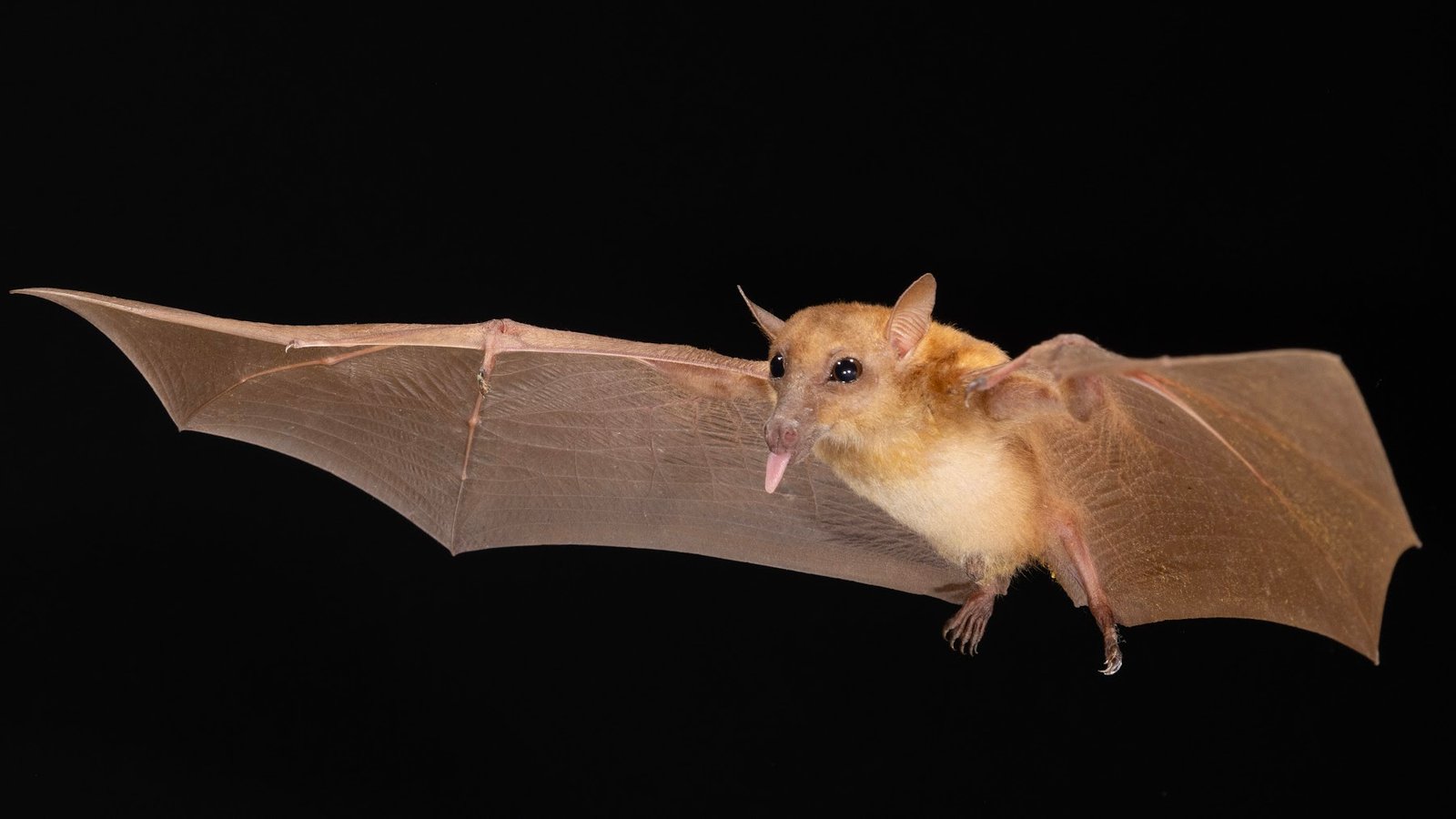
Pollinators & seed spreaders
Over 300 species of fruit depend on bats for pollination. Fruit and nectar bats carry pollen and seeds across long distances, building strong, genetically diverse forests.
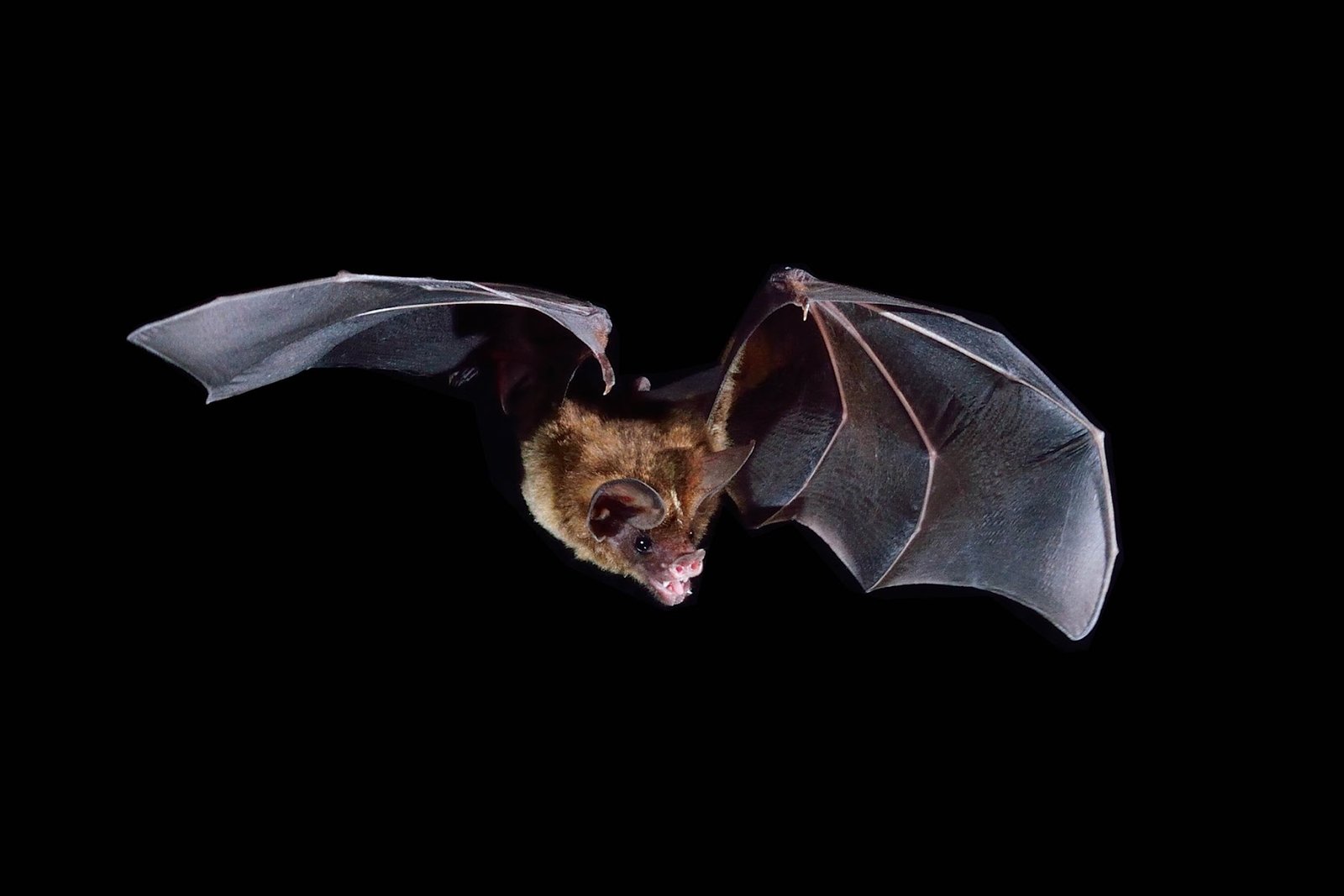
Natural pest control
Insect-eating bats consume huge numbers of insects every night, protecting crops, reducing pesticide use, and helping suppress mosquitoes that can spread diseases.
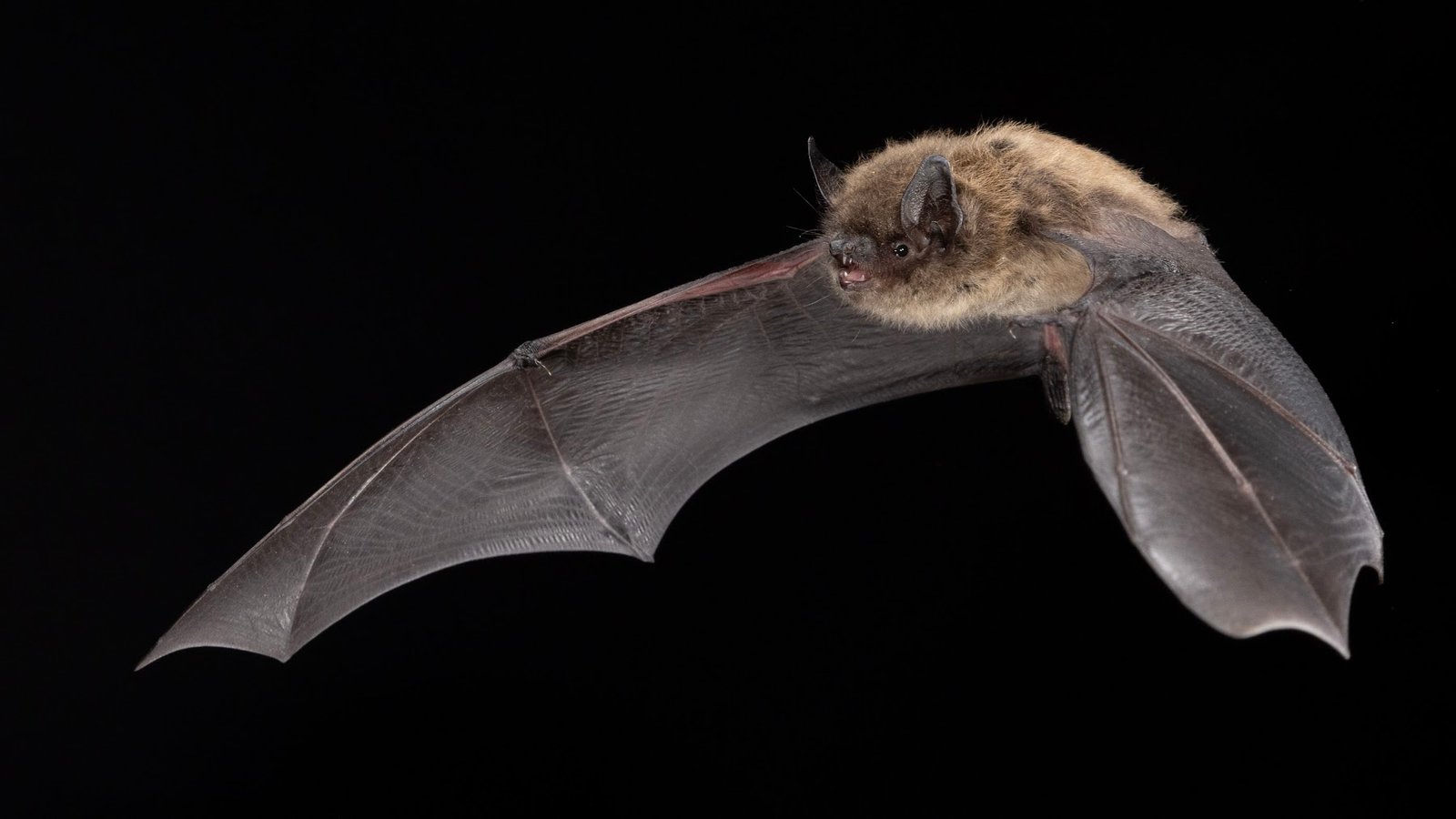
Under threat
Over a third of bat species assessed by the IUCN are threatened or data deficient. Habitat loss, climate change and persecution are the big drivers — and all of them are solvable.
What is the International Year of the Bats?
Throughout 2027, bat researchers, conservation networks, zoos, museums, schools, governments and communities will hold festivals, bat walks, exhibitions, lectures and citizen-science events around the world. This website is the hub: a global events calendar and map, a communication toolkit, ready-to-use brand assets, and ways for individuals, organisations and governments to take part.
Raise awareness
Share clear, positive and accurate information about bats and the vital role they play.
Connect communities
Bring bat people together across countries, languages and disciplines through shared events and stories.
Promote conservation
Turn attention into action: science-based protection for bats and the habitats they need.
Bats of the world
Nearly 1,500 species worldwide, on every continent except Antarctica — from bumblebee-sized insect hunters to fruit bats with wingspans over a metre. Here are six of them.
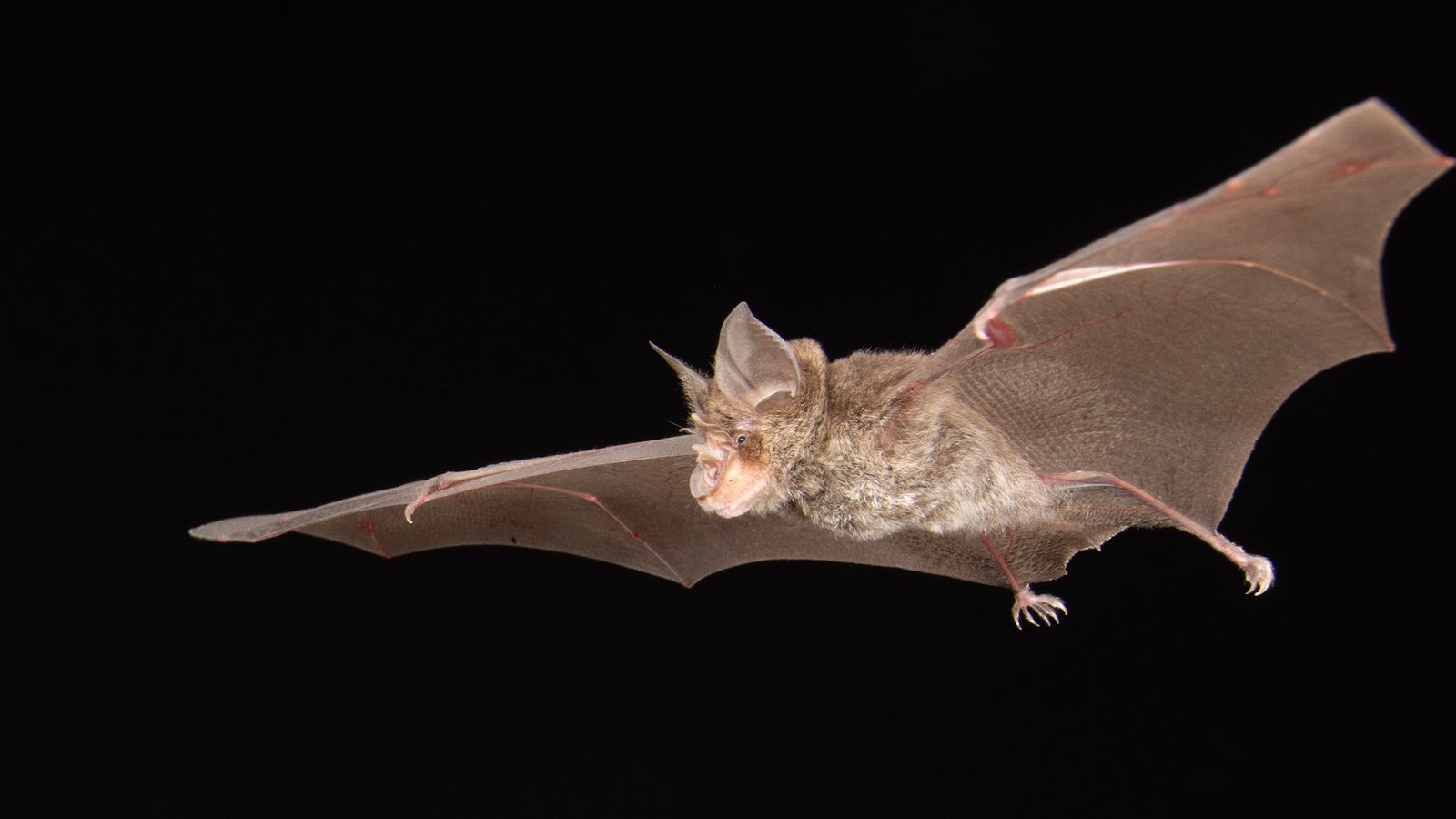
Glossy Horseshoe Bat (Rhinolophus refulgens)
© Charles Francis
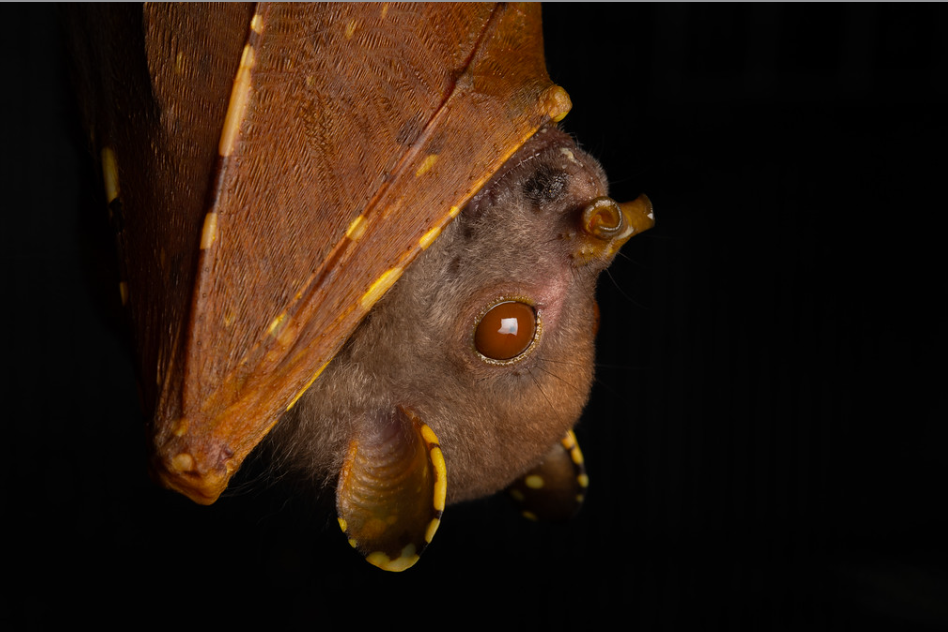
Eastern Tube-nosed Bat (Nyctimene robinsoni)
© Jose Gabriel Martinez Fonseca
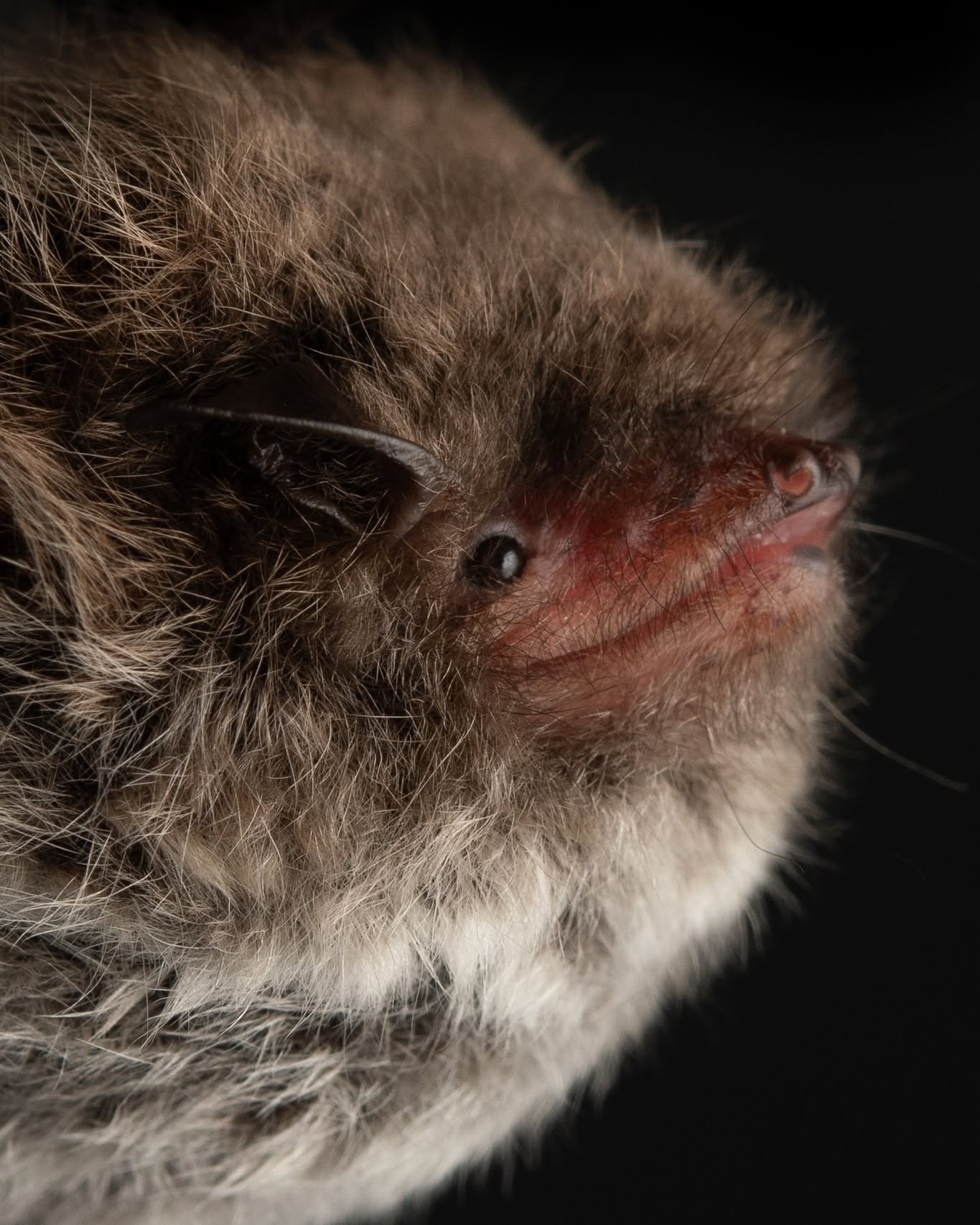
Daubenton’s Bat (Myotis daubentonii)
© Jose Gabriel Martinez Fonseca
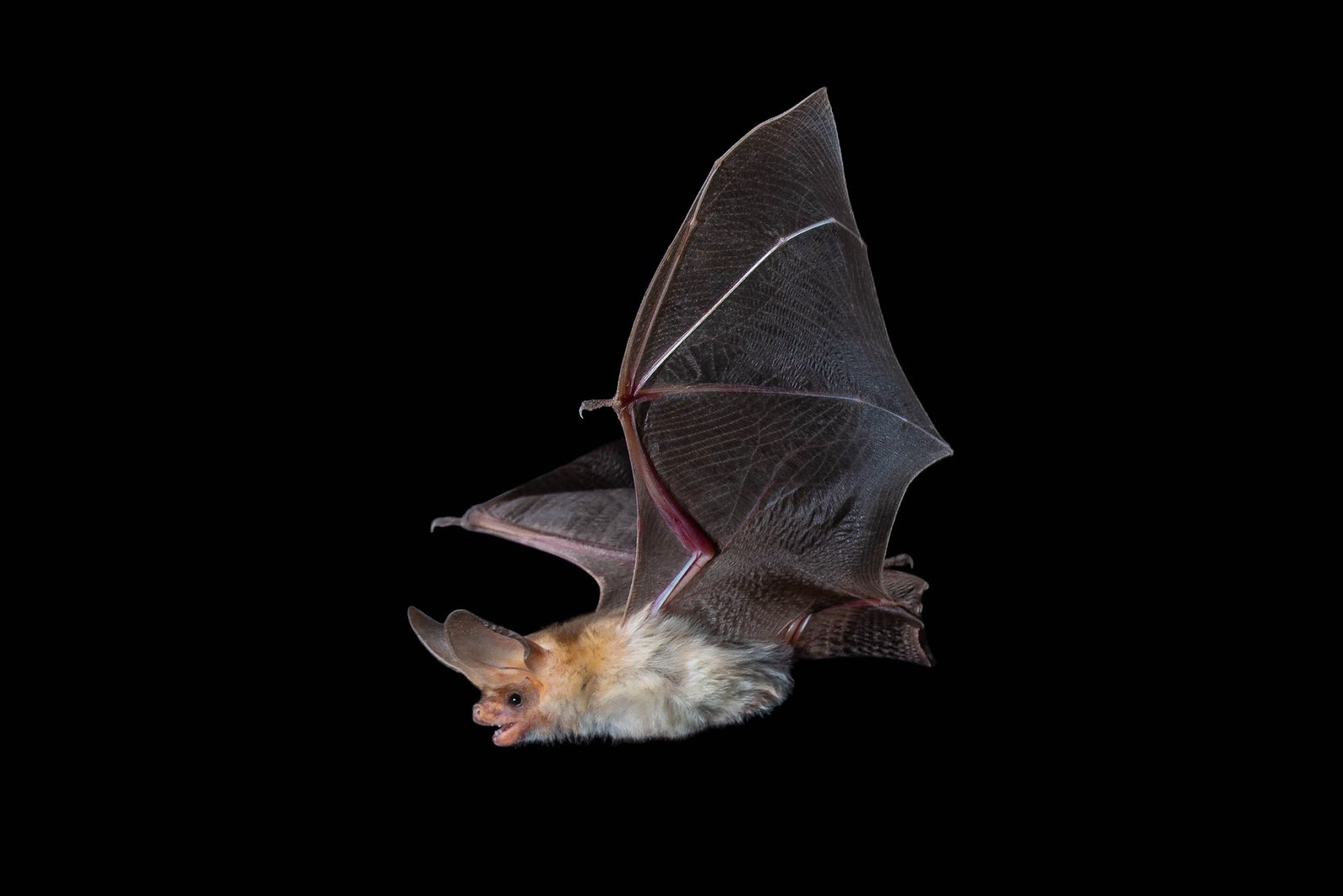
Pallid Bat (Antrozous pallidus)
© Jose Gabriel Martinez Fonseca
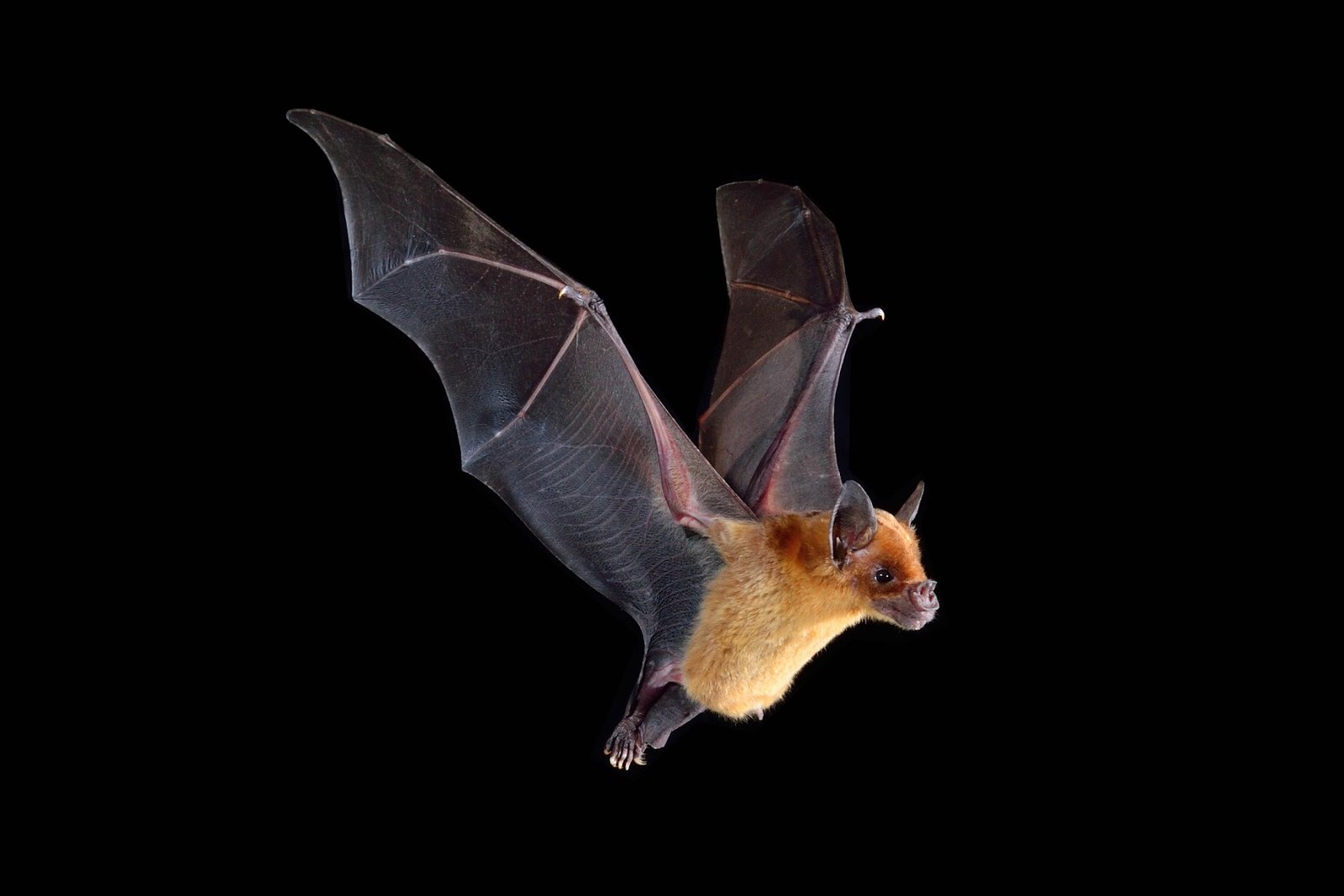
Pale Spear-nosed Bat (Phyllostomus discolor)
© Jose Gabriel Martinez Fonseca
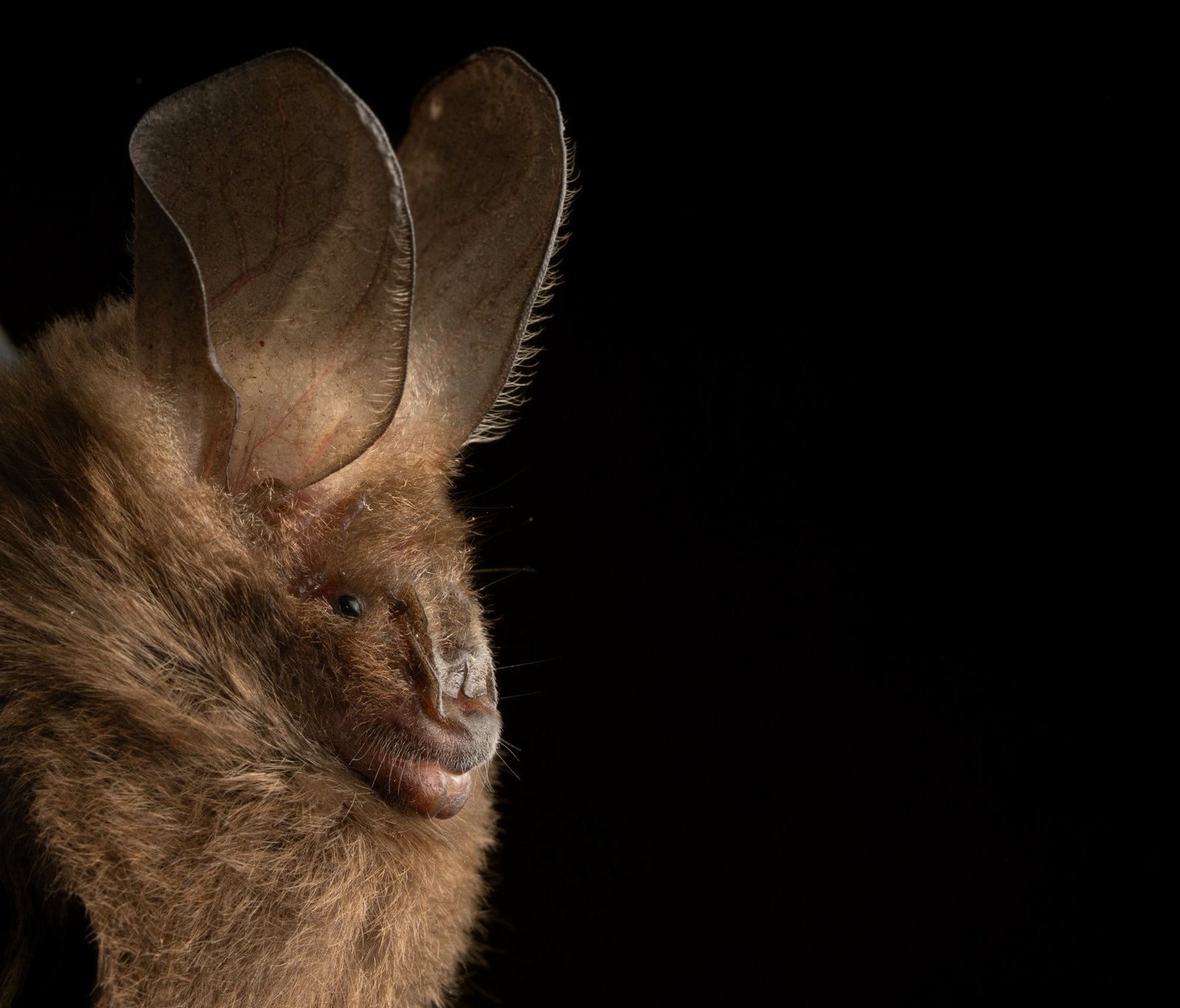
Dwarf Slit-faced Bat (Nycteris nana)
© Cárol Sierra Durán
Join us
Event submissions are open. Add your 2027 bat event to the global calendar now, so it is on the map when the public launch lands on 1 January 2027. Then: volunteer, sponsor a programme, share our hashtags.
Individuals
Attend or host a bat walk, share bat stories, join a local network.
Organisations
Register your events on the global calendar and use the toolkit and brand assets.
Governments
Recognise the Year of the Bats, support science-based bat protection, and join the global partnership.
#IYBats #IYBats2027
Brought to you by GBatNet
The International Year of the Bats is an initiative of the Global Union of Bat Diversity Networks (GBatNet), which unites regional bat research and conservation networks across the world.
With the regional bat networks and partner organisations of GBatNet:

Photography © Jose Gabriel Martinez Fonseca, Charles Francis and Cárol Sierra Durán. See more of their work: Jose Gabriel Martinez Fonseca — bat photography · Charles Francis — wildlife photos